Arya.ag Puts $2B Crop Loans on Avalanche
Arya.[ag] is putting $2 billion in crop-backed loans on Avalanche, bringing grain deposits, warehouse receipts and loan details onchain.
India's agricultural financing sector is undergoing a blockchain test with real collateral. To tokenise warehouse receipts for stored grain and link them to ownership, collateral, and loan details, Arya.[ag] is testing an Avalanche-based solution.
Although the company now has about $2 billion worth of agricultural supplies stored throughout its network of warehouses, $2 billion in loans are not yet on-chain. In order to provide lenders with a more transparent digital record of the grain supporting agricultural finance, the pilot is being created in collaboration with Finternet.
Arya.ag Is Putting Crop-Backed Loans Onchain
Arya.[ag's] strategy goes beyond just storing agricultural records on a blockchain. It involves making the connection between the financial data and the actual produce that is kept in a warehouse.
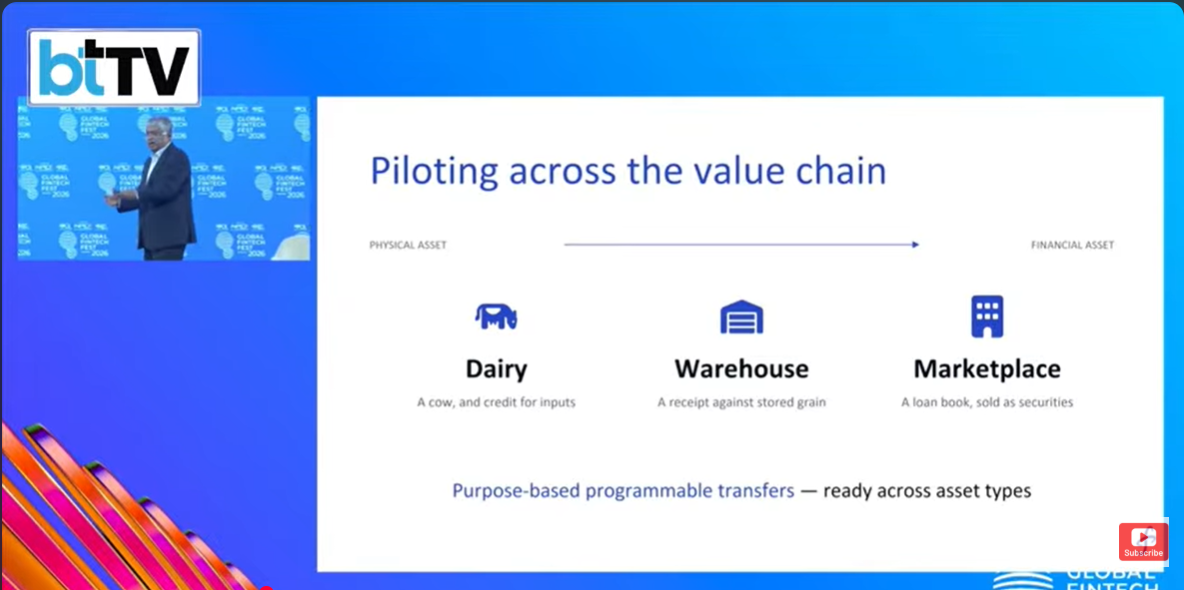
Finternet, which is an effort to link grain deposits, warehouse receipts, collateral obligations, and loan status via the Avalanche network, is developing the pilot. Instead of just adding a loan record to a blockchain, the goal is to establish a digital representation of the stored commodity.
The goal of each tokenised warehouse receipt is to show who owns the grain that is being kept. Additionally, Finternet will create what it calls a "composite token" by combining data about the farmer, commodity, warehouse, and insurance. When evaluating the risk associated with agricultural collateral, banks can then use that combined record.
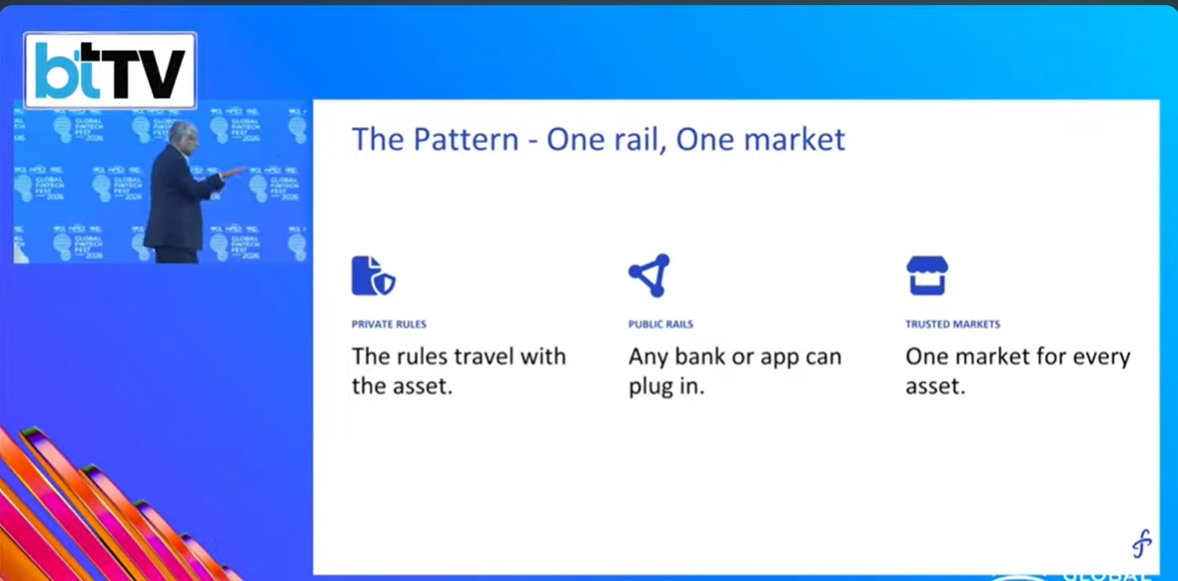
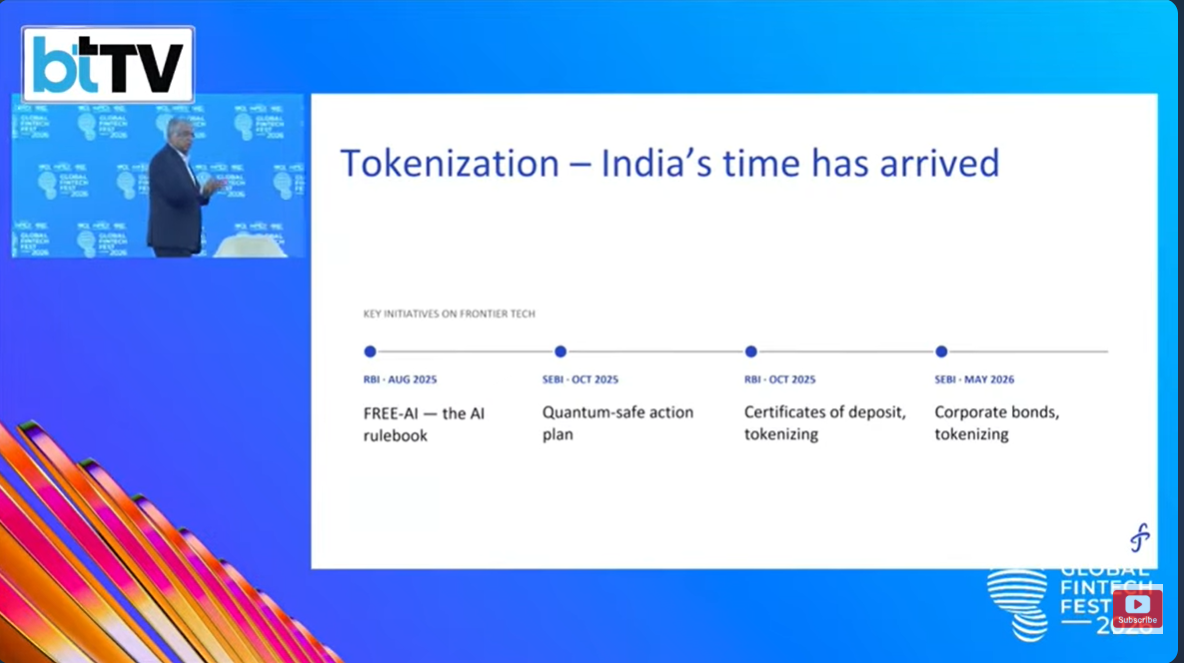
The timing also aligns with the broader discussion in India on tokenisation. Nandan Nilekani was one of the notable speakers at Global Fintech Fest 2026 who discussed the next stage of digital financial infrastructure as tokenisation advanced into practical financial applications.
Compared to a simple blockchain trial, this makes the Arya.[ag] experiment more interesting. In brief, it is exploring whether tokenised conventional data can link physical agricultural assets to the financial system in a way that lenders can utilise.
Banks Can Check Whether Crops Are Already Pledged
Verification may be the most significant benefit for banks.
Lenders must be certain that the underlying crop is real and hasn't been pledged against another loan when using agricultural commodities as collateral. The on-chain method used by Arya.[ag] is intended to facilitate the verification of that data.
A bank may be able to confirm the collateral before granting credit if grain deposits, warehouse receipts, and loan information are recorded simultaneously. Additionally, it can determine if those crops have previously been committed elsewhere.
The planned system is intended to provide lenders with a shared record that details the type of grain being held, who owns it, whether it has been pledged as security, and the amount of outstanding debt. This provides the lender with a connected view of the commodity and the financing associated with it, giving a bank more than just a warehouse receipt.
There is still one significant restriction. The physical grain still needs to be precisely validated, even though the blockchain can capture and link the data. To put it another way, adding a warehouse receipt to the chain does not confirm the existence of the underlying crop or the accuracy of the reported quantity.
Avalanche Becomes the Infrastructure Layer
The choice to use Avalanche sets the loan records on a blockchain system that is made to manage digital transactions while preserving an activity log that can be verified.
Well, Arya.[ag] uses blockchain technology as an infrastructure layer for agricultural finance. The intention is to facilitate the verification of information about the physical commodity by financial institutions rather than to transform grain into a speculative digital asset.
In recent times, Arya.[ag] has explained how its blockchain technology can enhance data accuracy, traceability, and transparency throughout warehouse operations. In its previous implementation, a public ledger was used to track changes in quality, commodity movements, and transactions related to warehouses.
The same strategy can more directly link physical inventory with lending activity now that crop-backed loans are at the centre.
Why This Could Change Agricultural Lending
Speed, cost, and verification determine the practical impact.
There may be fewer obstacles in agricultural lending if banks are able to quickly determine whether the grain was already pledged and digitally authenticate the grain behind a loan. Lenders could access a shared on-chain record of the pertinent warehousing and finance information rather than relying on inconsistent data.
This could speed up agricultural lending by simplifying verification. By lessening the work needed to reconcile records across warehouses, borrowers, and lenders, it may also lower the process's cost.
Most significantly, it might facilitate the auditing of collateral verification.
With its platform linking agricultural storage, financing, and commerce, Arya.[ag] already functions on a substantial scale. Additionally, the company has developed blockchain infrastructure exclusively for agricultural commodities and has already demonstrated visibility into billions of dollars worth of grain.
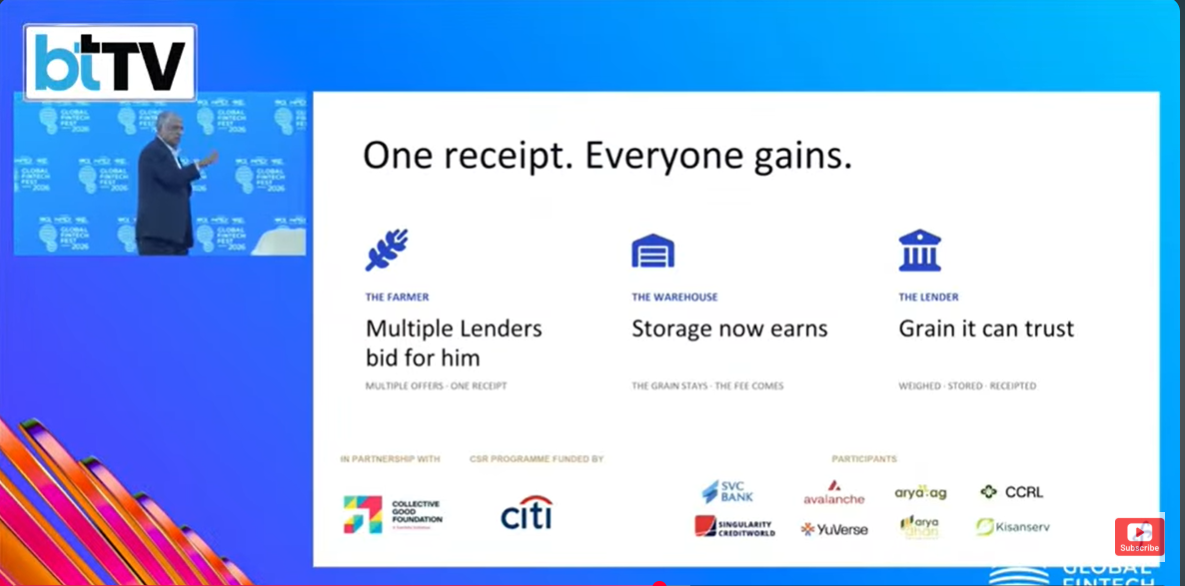
Therefore, transferring about around $2 billion worth of agricultural commodities stored across Arya.[ag’s] warehouse network provides blockchain with a very specific task, i.e., easing the verification of the connection between grain, warehouse receipts, and credit.
Arya.[ag's] current business scale also helps justify the pilot. Throughout its network of storage facilities, the company holds over $2 billion worth of agricultural commodities and provides loans of roughly ₹120 billion, or $1.26 billion each year. Every year, Arya Dhan, its lending division, extends loans totalling around $230 million. These numbers do not indicate that $2 billion in assets or loans have already been brought on-chain; rather, they represent the company's current operations.
If you find any issues in this article or notice missing information, please feel free to reach out at team@etherworld.co for clarifications or updates.
To promote your Web3 articles, events, and projects, you may reach out anytime via EtherWorld PR for submissions and collaboration.
Related Articles
- India Records $19B in Taxable Crypto Activity
- India Parliament Panel Cancels August 27 Crypto Hearing
- India Issues New Crypto Tax Rules From 2026
- India to Ban Bitchat: Jack Dorsey Pushes Back
- India Is Crypto’s Largest Market, Says Coinbase CEO
To follow blockchain news, track Ethereum protocol progress, and read our latest stories, subscribe to our weekly today.
Join the EtherWorld & Avarch Internship Program and build your career in blockchain, content, social media, video, podcast editing, or operations. Send your resume and brief introduction to contact@etherworld.co.
Disclaimer: The information contained in this website is for general informational purposes only. The content provided on this website, including articles, blog posts, opinions, & analysis related to blockchain technology & cryptocurrencies, is not intended as financial or investment advice. The website & its content should not be relied upon for making financial decisions. Read full disclaimer & privacy policy.
To stay updated on blockchain news, Ethereum protocol progress, and our latest stories, subscribe to our weekly digest and YouTube channel for ELI5 content.
To promote your Web3 articles, events, project updates, and Press Releases, reach out anytime via EtherWorld PR for submissions and collaboration. For other queries, email contact@etherworld.co.
If you’d like to support our work, share the content and consider donating at avarch.eth.
Join our community on Discord and follow us on Twitter, Facebook, LinkedIn & Instagram.

 ×
×

Author

Nidhi Kumari is a Web3 content writer at EtherWorld.co, tracking ecosystem developments, funding activity, and market trends shaping the crypto space.