Do Banks Really Need Protection From Blockchain?
CZ asks why banks need protection from blockchain as JPMorgan, Citi and Swift build blockchain based financial infrastructure.

Changpeng Zhao raised a really basic question, i.e., why do some people believe banks should be scared of blockchain technology or perhaps require protection from it? He believes that while banks can utilise the technology, blockchain can speed up, reduce costs, and simplify the verification of asset transactions. I believe that's where the discussion should begin. Given that some of the biggest names in banking are using blockchain, the idea that banks need to defend themselves against it already seems out of date.
Why Is Blockchain Still Framed as a Threat?
There is still a tendency to discuss blockchain as though the banking system will inevitably suffer if it succeeds. When the majority of blockchain activity took place outside of traditional finance, that view made more sense. Now it is considerably more difficult to defend.
That argument is cut right through in CZ's post on September 18. He emphasised that banks may adopt blockchain technology just like anybody else because it is an open technology. Banks can determine where technology genuinely improves their services rather than viewing it as a threat.
In response, Adeniyi.sui presented a comparable argument from the viewpoint of the consumer. He made the argument that it is the duty of a bank to offer the best financial services. Protecting outdated methods is not much of a motivation to keep customers back if blockchain helps do that.
The database that sits behind their bank account has no emotional attachment to the customers. They want financial services to function when they need them, money to flow efficiently, and payments to arrive on schedule. Banks have an incentive to investigate new technologies rather than be afraid of them if they can enhance those aspects.
Why do some people think banks need to be scared of blockchain? or banks need protection?
— CZ 🔶 BNB (@cz_binance) September 18, 2026
Blockchain is faster, cheaper, and more easy to verify way of transferring value.
Blockchain is an open technology anyone can use, including banks. 🤷♂️
Banks Are Already Using Blockchain
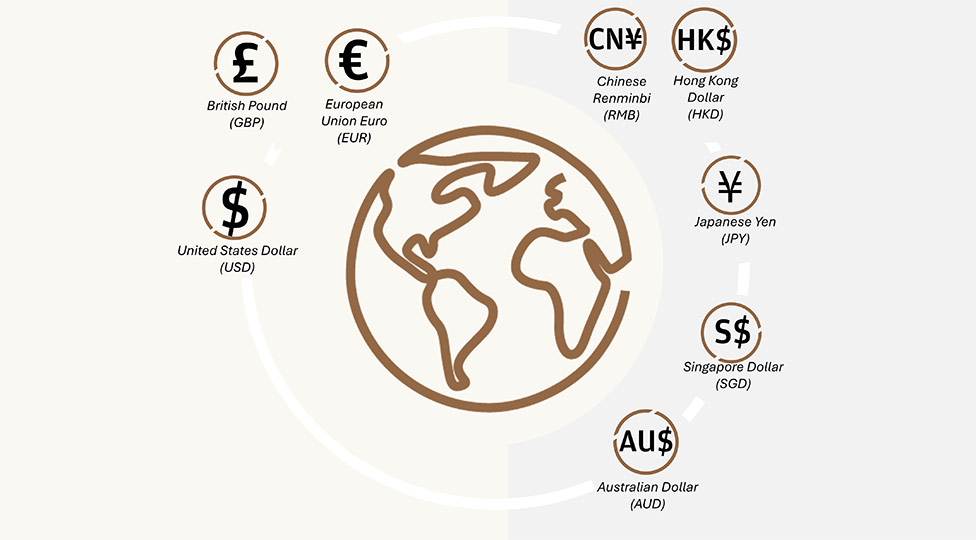
The interesting thing is that a lot of banks have already taken that decision. For many years, JPMorgan's Kinexys division has been developing blockchain-based financial infrastructure. JPMorgan added five more Asia Pacific currencies to its Blockchain Deposit Accounts in June 2026, increasing the total to eight. The accounts provide programmable treasury activities, on-chain foreign exchange, and 24-hour payments. Early adopters of the new currency offers included Payoneer and JERA Global Markets.
Additionally, JPMorgan moved its work on deposit tokens to Base. Institutional clients can purchase the JPMD deposit token, which is an additional step toward integrating conventional bank funds with blockchain technology.
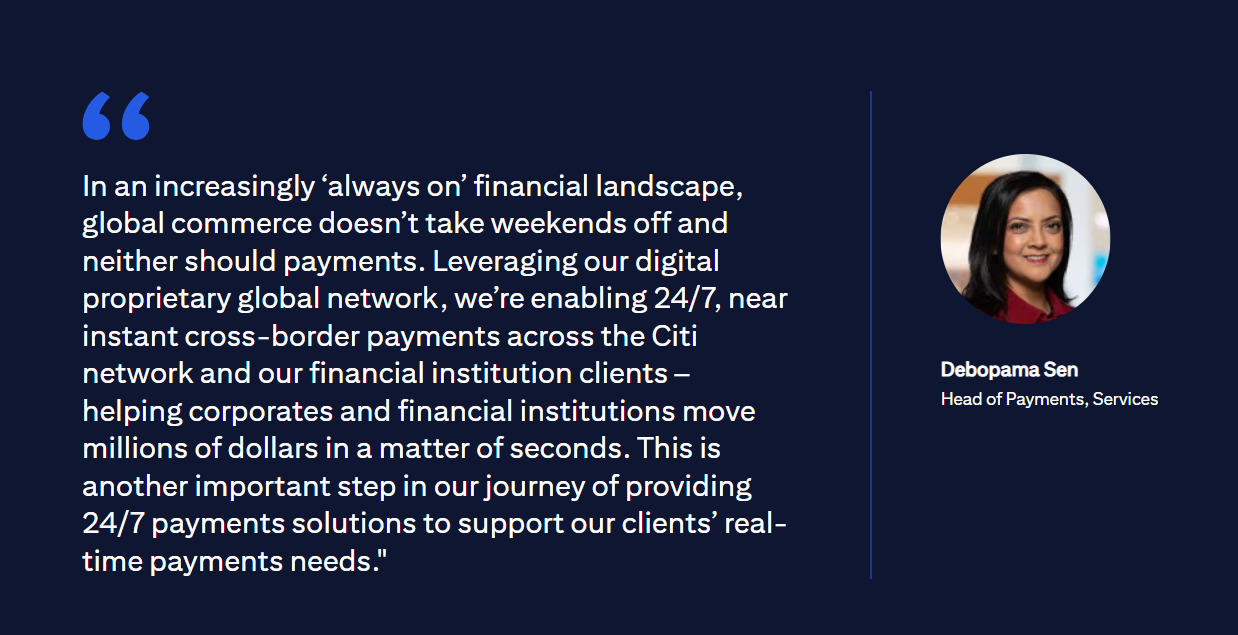
Citi is going in a similar direction. Blockchain is used by Citi Token Services for tokenised deposits and financial transactions. The first financial institution to use Citi's integrated 24-hour dollar clearing and Citi Token Services system, which enables nearly real-time cross-border payments, was Siam Commercial Bank in July.
Swift is developing its infrastructure much further. With 17 banks from six continents getting ready to test tokenised deposit transactions, it said in July that its blockchain-based ledger was ready to roll out soon. 24-hour cross-border payments are the first use case.
Therefore, whether or not banks are interested in blockchain is no longer a question. These examples are enough to prove, of course, that they are.
What Blockchain Actually Changes for Banks
What these initiatives aim to improve is what I find more fascinating.
Conventional financial systems frequently feature distinct procedures for maintaining liquidity, settling transactions, transferring funds, and verifying information. Banks now have another method to link some of those procedures and program financial assets thanks to blockchain.
One such example is JPMorgan's development of blockchain deposit accounts. Using blockchain technology, a bank may handle treasury operations, transfer money continually, and conduct foreign exchange outside of regular business hours while maintaining a relationship with its clients.
Citi has been investigating a similar concept. Tokenised deposits, asset tokenisation, custody, foreign exchange settlement, and smart contract-based services are all supported by its digital asset platform. These solutions, according to the bank, are a means of enhancing asset movement, settlement, and liquidity.
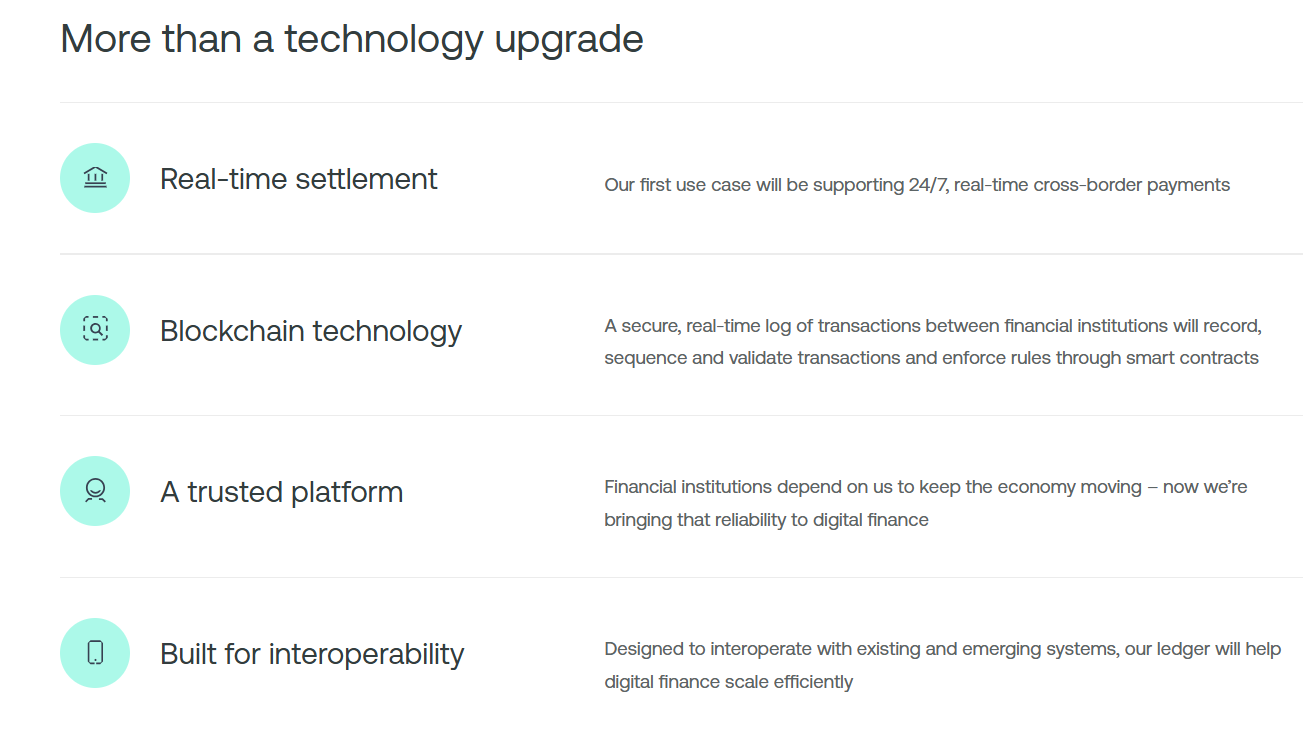
Swift's strategy also makes a significant point. Instead of just rejecting current financial systems, its ledger is designed to integrate with them. Giving banks a common method to coordinate tokenised value while maintaining ties to the infrastructure they currently rely on is the aim.
Source: Swift
That is most likely the most likely future. For banking to drastically change, blockchain does not have to take the role of banks.
a bank’s job is to give its customers the best possible financial service
— Adeniyi.sui (@EmanAbio) September 18, 2026
if blockchain helps you do that, use it
protecting the way you’ve always done things is a terrible reason to give customers less than what’s possible
Why Banks Still Have Reasons to Be Cautious
CZ's argument does not, in my opinion, imply that banks should jump at the chance to participate in every blockchain project.
There is a different degree of accountability in banking. Customers, liquidity, and regulatory requirements may be impacted by a financial product experiment gone wrong. Banks must also manage systems that have been developed over many years, security, compliance, and custody.
In full enthusiasm, there is another problem that is forgotten. The entire financial process does not instantly speed up when something is placed on a blockchain. Identity systems, compliance checks, current payment networks, and other infrastructure involved in a transaction must still be connected to the technology.
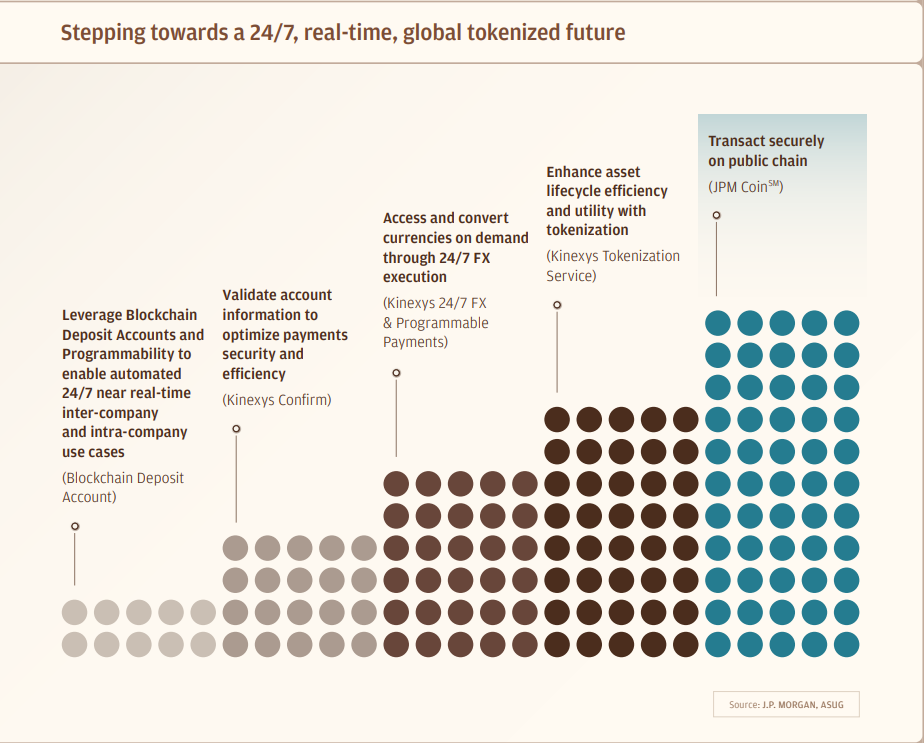
According to JPMorgan, the transition to tokenisation is a gradual process. Its 2026 payments report outlines a path from programmable payments and blockchain deposit accounts to tokenised assets and public blockchain transactions.

Source: JP Morgan
I think that strategy makes sense. Banks do not have to decide between revamping the entire financial system overnight or leaving everything precisely as it is. They can investigate instances in which blockchain truly resolves an issue.
Blockchain May Change Banks Without Replacing Them
This is the aspect of the argument that merits greater consideration. Even when JPMorgan employs blockchain, it remains JPMorgan. When tokenised deposits are transferred, Citi stays Citi. Despite incorporating a blockchain ledger into its infrastructure, Swift continues to play a significant role in the global payments network.
Technology is changing how these organisations can provide their services, but it does not always mean that the organisation will disappear.
This is significant because the old argument between blockchain technology and banks ignores the current situation. Banks are doing more than just waiting to see if blockchain is successful. Some are actively choosing which technological components to integrate into their companies.
The end effect can be a banking system that appears familiar to customers but functions quite differently on the inside.
You can still keep your bank account with a bank. You can still have a relationship with a bank. However, the money flowing through that relationship might increasingly be in digital form that can be programmed.
The Bigger Risk Is Refusing to Adapt
This is CZ's post's strongest argument, in my opinion.
A bank doesn't have to start a crypto company. It doesn't have to give up on all of its current systems or create a speculative token. However, it is irrational to ignore blockchain just because it originates from outside of traditional banking if it might enhance a service customers utilise.
The industry's current trajectory already indicates future trends. JPMorgan is increasing the number of blockchain deposit accounts. Citi is developing digital asset and tokenised deposit services. Swift is getting its blockchain ledger ready for tokenised deposit bank pilots.
The phrase protect banks from blockchain becomes more odd as a result. Perhaps blockchain protection is entirely unnecessary for banks.
Perhaps they should have the flexibility to choose how much of it they want to use and be open to making adjustments when doing so actually benefits their customers.
If you find any issues in this article or notice missing information, please feel free to reach out at team@etherworld.co for clarifications or updates.
To promote your Web3 articles, events, and projects, you may reach out anytime via EtherWorld PR for submissions and collaboration.
Related Articles
- $90K Crypto Loss After Chrome Extension Hack
- Liquid Network Loses $320M in Security Breach
- AMC CEO Blasts Robinhood Over Unregistered Stock Tokens
- Coinbase Launches Bitcoin-Backed Mortgages
- ECB Pushes Central Bank Money On-Chain
To follow blockchain news, track Ethereum protocol progress, and read our latest stories, subscribe to our weekly today.
Join the EtherWorld & Avarch Internship Program and build your career in blockchain, content, social media, video, podcast editing, or operations. Send your resume and brief introduction to contact@etherworld.co.
Disclaimer: The information contained in this website is for general informational purposes only. The content provided on this website, including articles, blog posts, opinions, & analysis related to blockchain technology & cryptocurrencies, is not intended as financial or investment advice. The website & its content should not be relied upon for making financial decisions. Read full disclaimer & privacy policy.
To stay updated on blockchain news, Ethereum protocol progress, and our latest stories, subscribe to our weekly digest and YouTube channel for ELI5 content.
To promote your Web3 articles, events, project updates, and Press Releases, reach out anytime via EtherWorld PR for submissions and collaboration. For other queries, email contact@etherworld.co.
If you’d like to support our work, share the content and consider donating at avarch.eth.
Join our community on Discord and follow us on Twitter, Facebook, LinkedIn & Instagram.

 ×
×

Author

Nidhi Kumari is a Web3 content writer at EtherWorld.co, tracking ecosystem developments, funding activity, and market trends shaping the crypto space.